Budget Planning Tips for Landed House Interior Design Singapore
Fixing up a landed home brings special chances and money points to think about. Unlike smaller homes, these spaces have many floors, outdoor spots, and big building parts. Owners often do not see how much work it takes to make these big spaces nice.
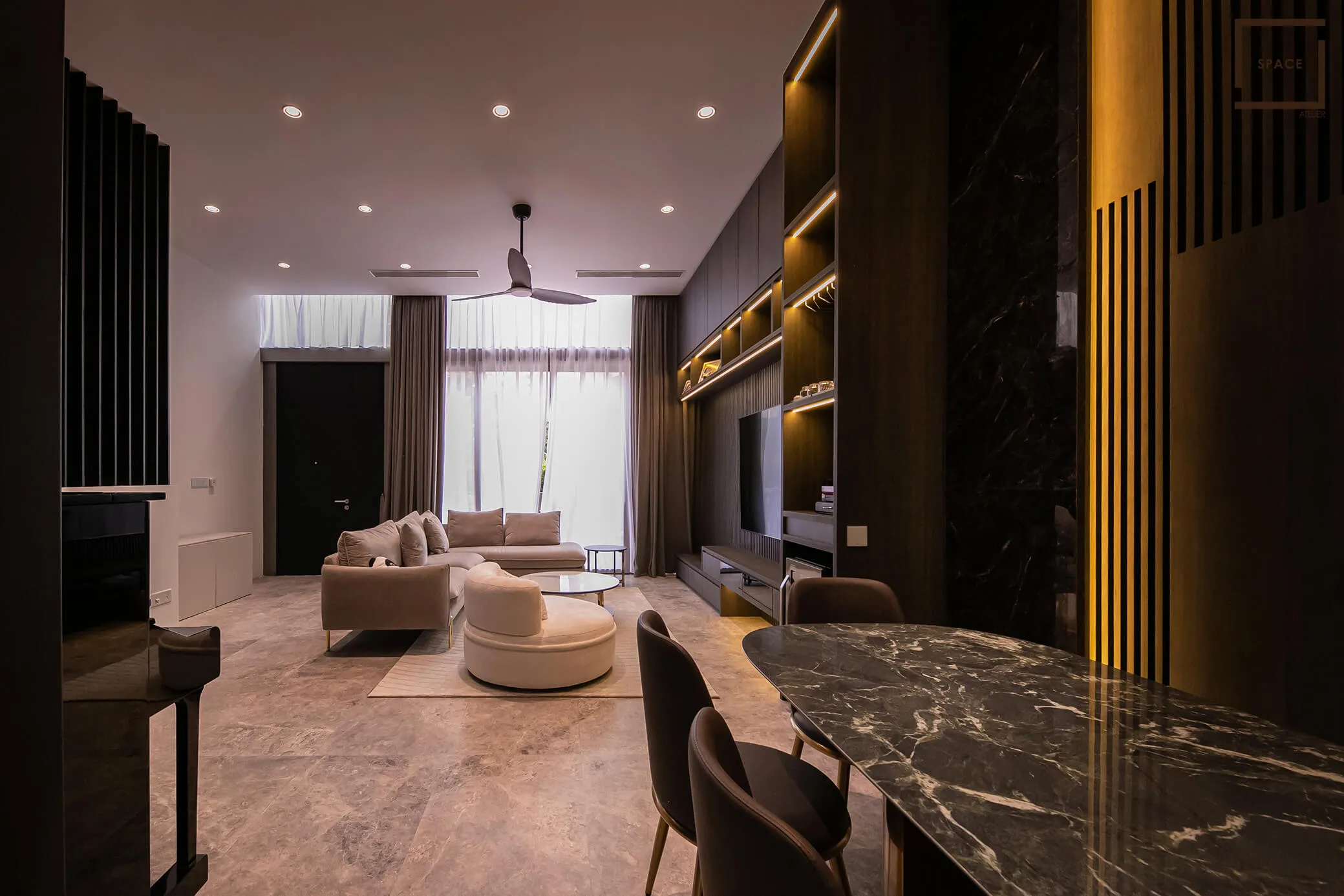
Landed house interior design in Singapore needs good money planning to keep costs from going too high. The size of these homes means each choice costs more. Stuff, finishes, and lights add up across many rooms and areas. Knowing where to put your cash makes sure the result looks good without money stress. This guide gives easy ways to handle design budgets well.
How Big the Job Is
Landed homes take up more space than flats or condos. Many floors need a look that flows together while each level keeps its own feel. Outdoor spots like gardens, patios, and car porches need to match the inside look. Big parts like stairs, railings, and front walls need good materials. Each extra room adds cost for floors, lights, and furniture. Knowing this helps owners see why budgets for landed homes are not like small flat jobs.
1. Plan Floor by Floor
Different floors do different jobs in a landed home. Basement spots may be for fun or storage. The first floor usually has a living room, dining room, and kitchen. Upper floors hold bedrooms and quiet family spaces.
2. Inside and Outside as One
Landed homes mix inside and outside living spaces. Patio seats, outdoor kitchens, and garden work need money set aside. Stuff that stands up to weather often costs more than indoor items.
Setting a Real Money Plan
Setting a real budget means knowing what materials and work cost now. Good finishes for landed homes cost more than flat-grade picks. Pay for architects, interior designers, and building experts adds to the sum. Keep a backup fund of at least twenty per cent for shocks found during work. Older homes may show old wires or pipe issues that need fixing.
1. Know What Things Cost
Material prices change based on supply and market trends. Work rates shift between main builders and special trades. Going to showrooms and getting a few quotes gives a true cost base.
3. Pick What Matters Most
Pick which spots in your home get top-grade finishes and which get more budget picks. Busy spots like doors and kitchens need tough stuff. Rooms used less, like guest rooms, can use more budget-friendly picks.
Splitting Your Money Right
Good budget plans split cash across a few types of costs. Building work like knocking down walls, rebuilding, and fixing floors eats up a lot. Pipe and wire fixes need good parts that meet safety rules. Floors, cupboards, and built-in furniture cost a fair bit. Lights, curtains, and nice touches add the final look. Design and job watch fees need their own spot in the budget.
1. Building and Wall Work
Changing the layout needs expert know-how and the right papers. Taking out or adding walls changes how the building stands. These base parts need good work that lasts for years.
2. Wires, Pipes, and Air Con
Landed homes have big systems that need professional work. The air conditioning must cool many floors and rooms well. Wires must handle today's needs for gadgets.
Working with Design Pros
Skilled designers help landed homeowners steer through tough fix-up steps. They give real cost guesses based on lots of past work. Their ties to the trade get good materials at fair prices. Designers line up the many workers, so no time is lost. Their watch catches issues before they turn into costly fixes. Pro fees are a small part of the whole budget.
1. Pick the Right Pro
Different designers work on different job sizes and styles. Look at past work to see if they have landed homes before. Ask how they keep to a budget and track costs.
2. Know How They Charge
Designers charge a set fee, a share of the build cost, or by the hour. Each way fits different job types and what owners like. Know what the fee covers before you say yes.
Doing the Work in Stages
Landed homes let you split the fix into steps that spread costs over time. Do one floor or part first, then move to the next. Staging cuts the cash strain and lets you live in the home while work goes on. Smart order stops the build from messing up your daily life. This way also lets you save up cash between stages.
1. Do Key Rooms First
Kitchens and baths come first because you need them every day. Main bedrooms and shared living spaces come next, based on how often you use them. Guest rooms and less-used spots can wait for later steps.
2. Make Sure It All Flows
Each stage must link with the work done before. Materials must stay the same across steps. Colours and style should flow through the home. Good planning keeps the home from looking like bits put together.
Picking Materials the Smart Way
What you pick for materials changes both looks and cost. Porcelain tiles last well in busy spots and cost fairly. Man-made wood gives the wood look but fights wet better than real wood. Laminate lets you have custom cabinets without the high price tag. Mix top-grade showpieces with budget basics to balance cost and style.
1. Spend Here, Save There
Put top budgets on things you touch a lot, like counters and door knobs. Save on spots like wardrobes inside or attic rooms. A fancy light can make a big impact without big build costs.
2. Buy Local or Bring In
Local shops make it easy to sort out issues and get quick fixes. Imported goods may have a unique look but cost more to ship and incur taxes. Exchange rates change the final price of overseas buys.
Working with Builders
Picking a builder means checking licenses, insurance, and past jobs. Clear contracts that list materials, time, and pay dates stop fights. Visits to the site make sure work goes as planned. Good talk helps fix issues before they grow. Pro builders know landed homework and get the job done.
1. Check Who You Hire
Make sure builders have done landed homes before. Ask for the names of past landed home clients. Check that they have the right insurance for the job.
2. What to Put in the Contract
A written deal keeps both sides safe. List materials by brand and type so no swaps happen. Tie pay to the steps that are done. Good papers stop mix-ups that slow the job.
Final Thoughts
Smart money plans turn landed home fix-ups from a scary thought to a smooth ride. Landed house interior design in Singapore needs you to know the size of the job, set real goals, and split your budget well. Work with skilled pros to stop costly slips and waste. Doing the work in steps lets you stay on track without money stress.
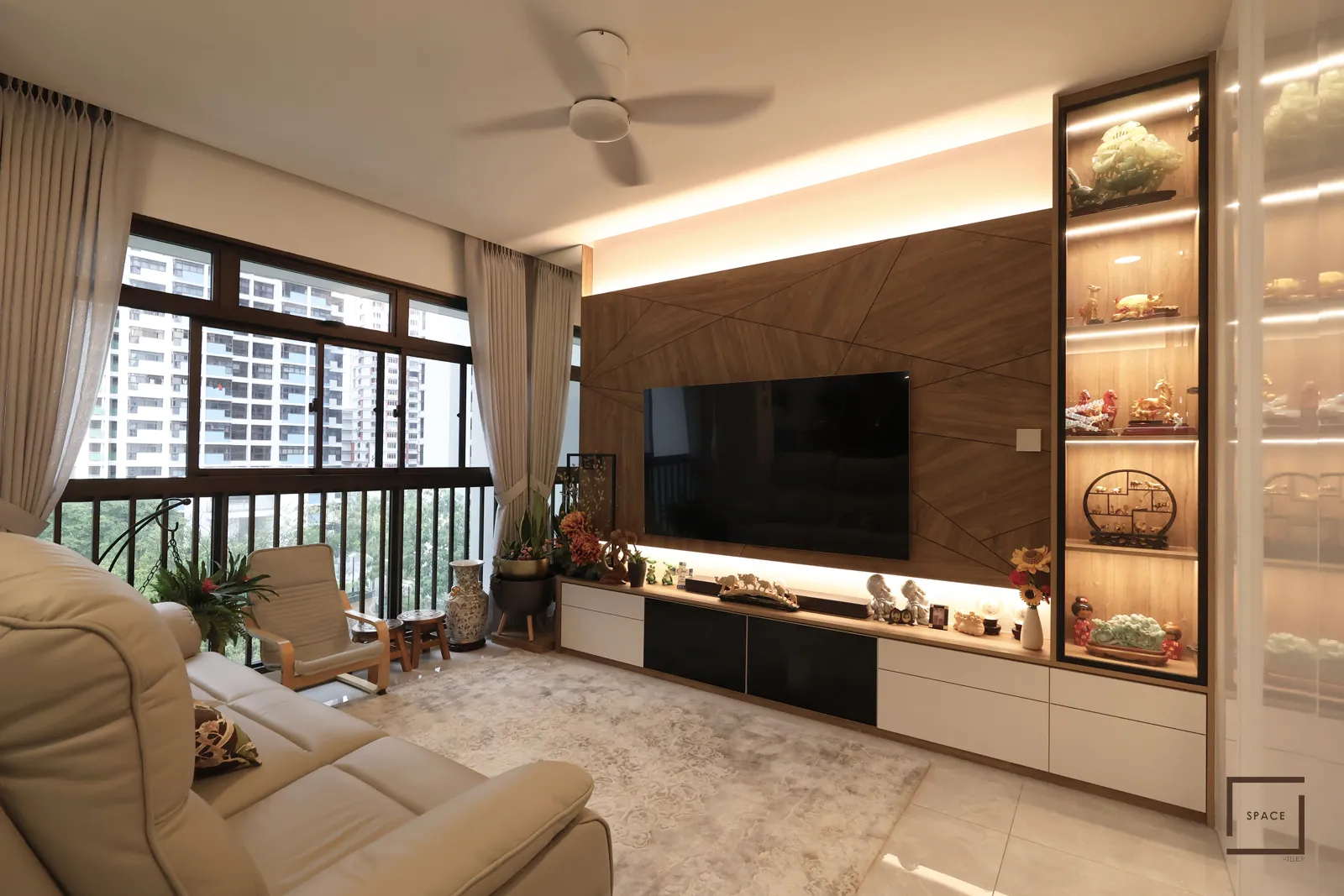
Pick your materials in a smart way to mix looks with your budget. Good ties with builders make sure work goes as planned. Keep a backup fund for the shocks that always pop up. These same tips work for smaller spaces like 3-room BTO interior design jobs, too. Good prep leads to good results, no matter how big or small the home is.
Common Questions
What is a fair budget range for a landed home design?
Budgets shift a lot based on home size, how much work you do, and what materials you pick. Pros can give a quote based on your own needs.
How can I stop costs from going too high?
Make clear deals, keep a backup fund, and pick what you want fast to stop delays. Visit the site now and then to catch issues early.
Should I spend more on some rooms when cash is tight?
Put your money on the kitchen, main bath, and living room you use most. Guest rooms and less-used spots can wait for later.
How do I find good builders for landed home work?
Ask friends who have landed homes for names. Check papers, insurance, and past jobs. Talk to a few before you pick one.


Comments
Post a Comment